This plant-based take on the iconic Sichuan street food pairs chewy noodles with a tongue-tingling chili sauce and a hearty, five-spice tempeh topping that genuinely rivals traditional minced pork.
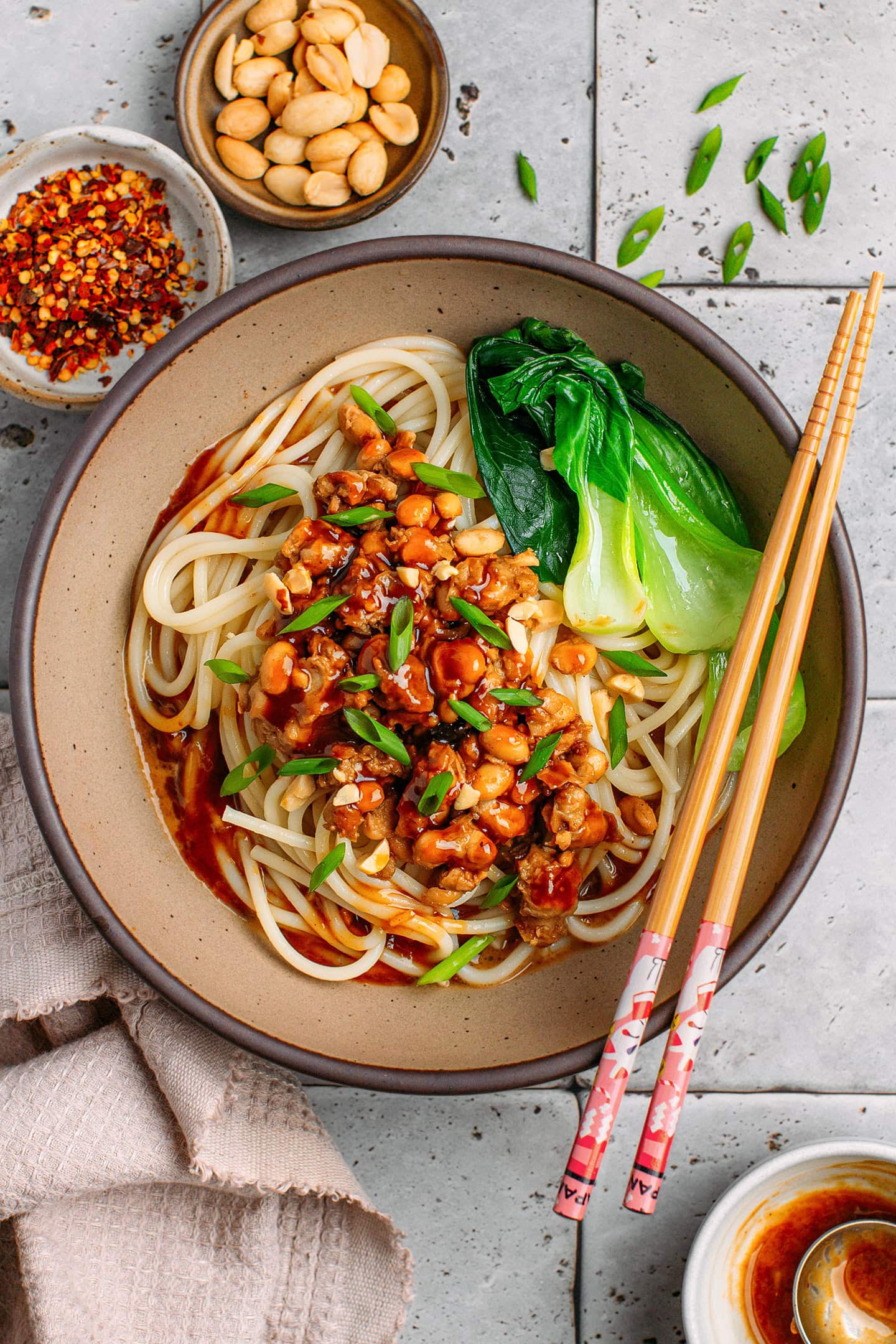
Get ready to add a new favorite to your noodle rotation.
If you haven’t tried Dan Dan noodles before, think of them as the Chinese answer to a really good bowl of spaghetti, except built around a bold, spicy Sichuan sauce and a stack of irresistible toppings: crumbled tempeh, fresh scallions, crushed peanuts, and wilted greens.
The hardest part of veganizing this classic was finding the right stand-in for ground pork. Tempeh was the obvious answer. It’s dense, packed with protein, and acts like a sponge for flavor, soaking up every bit of the savory marinade it touches.
Why This Recipe Belongs in Your Rotation
Bold, complex, and deeply savory
Two elements carry this dish. The sauce blends creamy sesame paste with spicy chili oil, layered with the citrusy, floral kick of Sichuan peppercorns, red pepper flakes, and star anise. It’s the kind of sauce you’ll want to put on everything, assuming you’re on board with real heat.
Tempeh does the heavy lifting as the protein. It’s fairly neutral straight out of the package, but it soaks up a fragrant five-spice marinade fast, turning into a rich, meaty crumble that plays perfectly against the spicy noodles. Together, the two build a bowl that’s hearty, layered, and genuinely hard to stop eating.
Lusciously saucy
This recipe is dialed in for maximum sauce-to-noodle ratio without watering anything down. Every strand gets properly coated, so each bite delivers the same punch as the first. The sauce clings to the noodles in a way that makes for a deeply satisfying, slurp-worthy bowl.
What Are Dan Dan Noodles?
Dan dan noodles (担担面) are a well-known Sichuan specialty from southwestern China. The traditional version tops fresh noodles with a spicy, fragrant sauce built from chili oil, Sichuan peppercorns, and garlic, finished with a generous portion of ground pork.
Some regions serve it as a noodle soup, but this recipe sticks to the classic dry style: thick, glossy noodles deeply coated in sauce rather than sitting in broth.
Essential Ingredients
For the sauce
The sauce is the real star of this dish. Bold, fiery (roughly a 7 out of 10 on the heat scale), and carrying those signature floral notes from the Sichuan peppercorns.
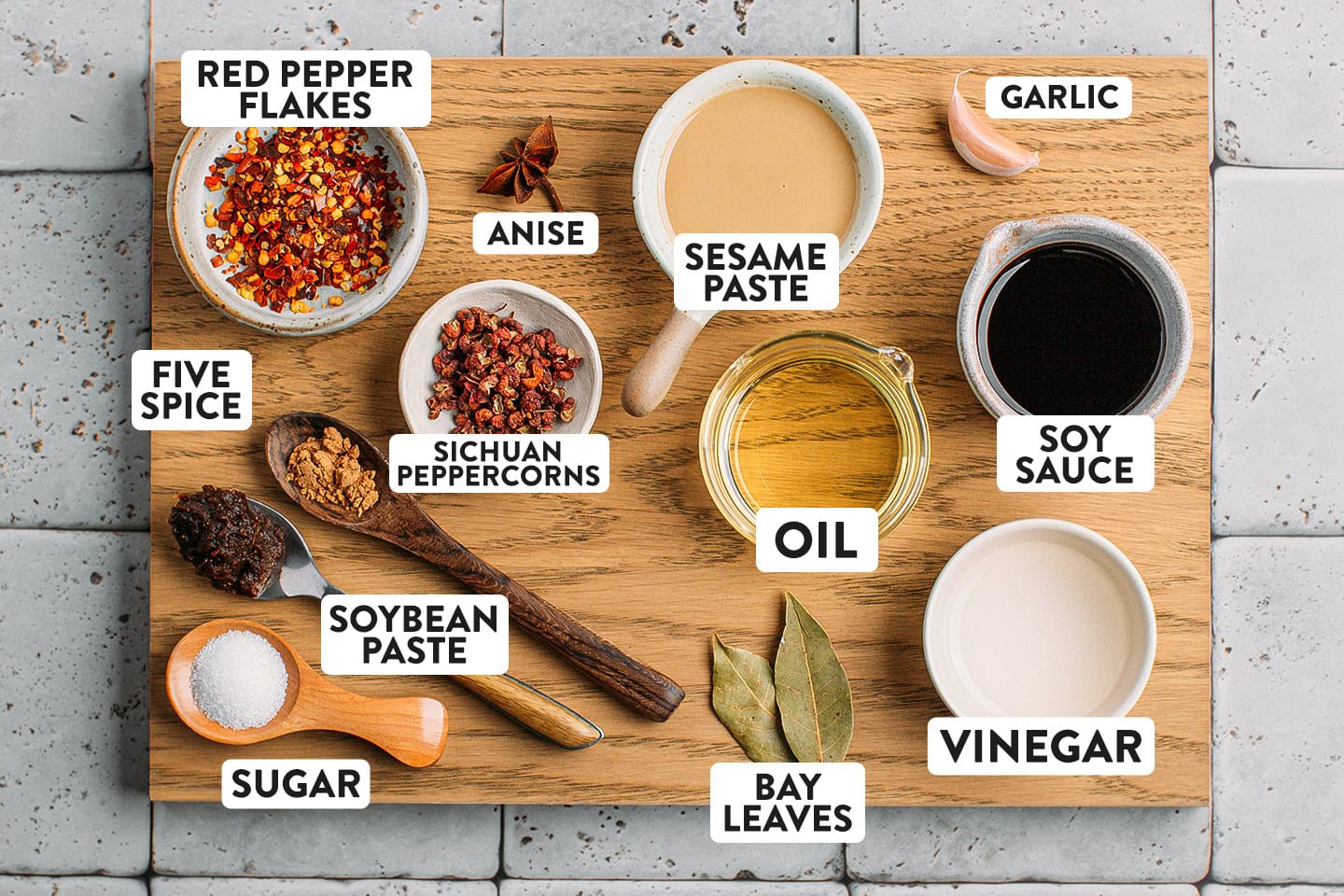
For the topping and noodles
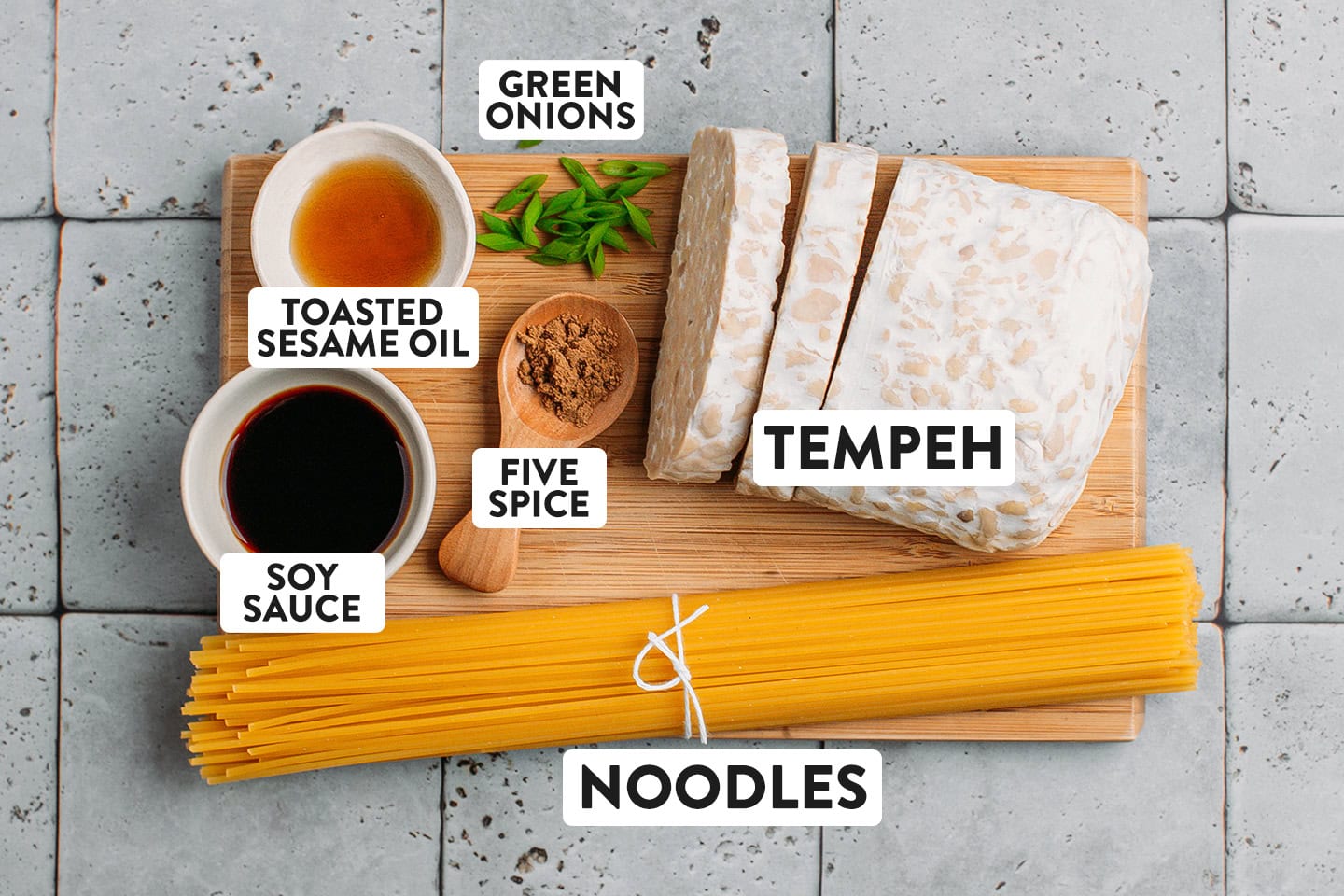
Pro Tips for Success
Step-by-Step Guide
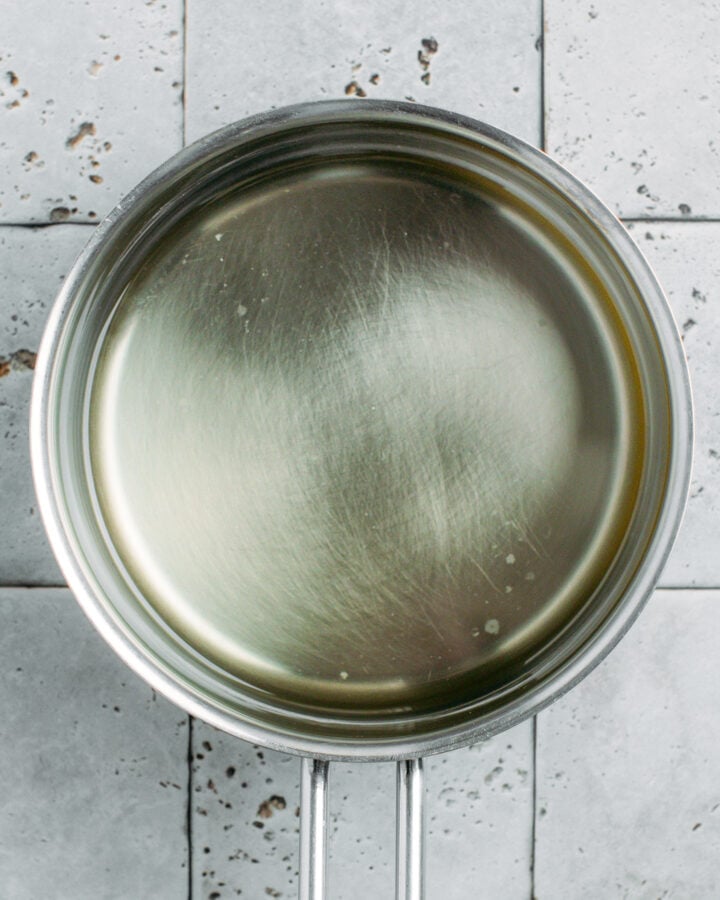
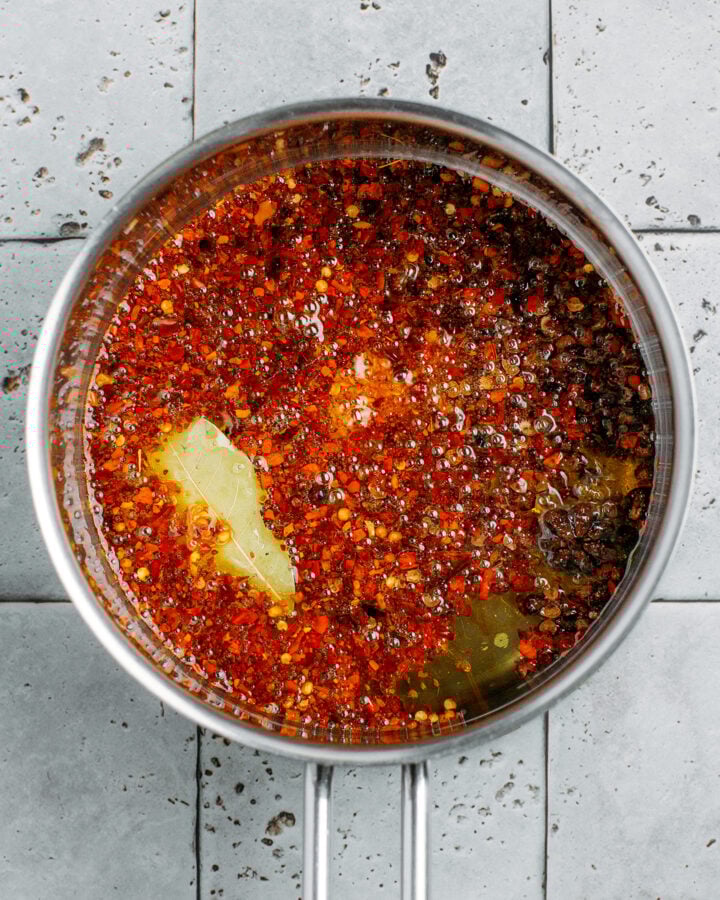
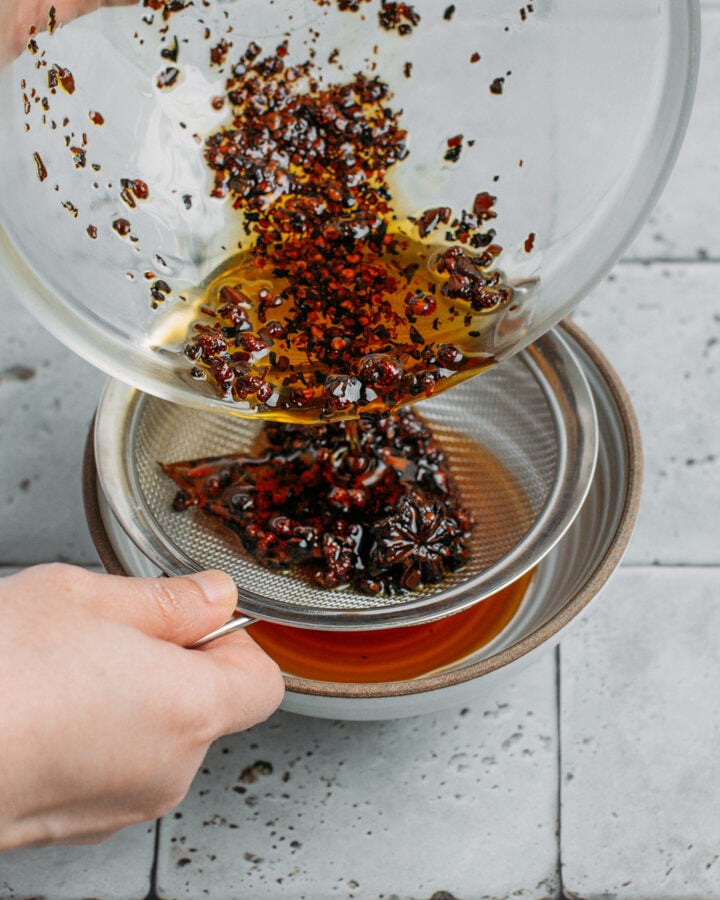
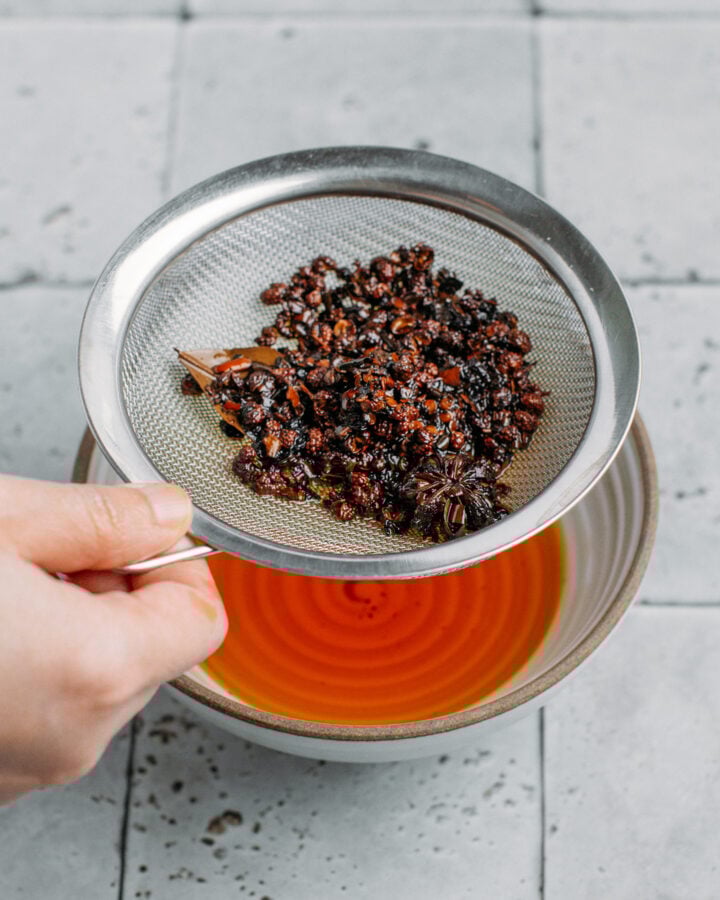
1. Infuse the chili oil
2. Cook the tempeh crumble
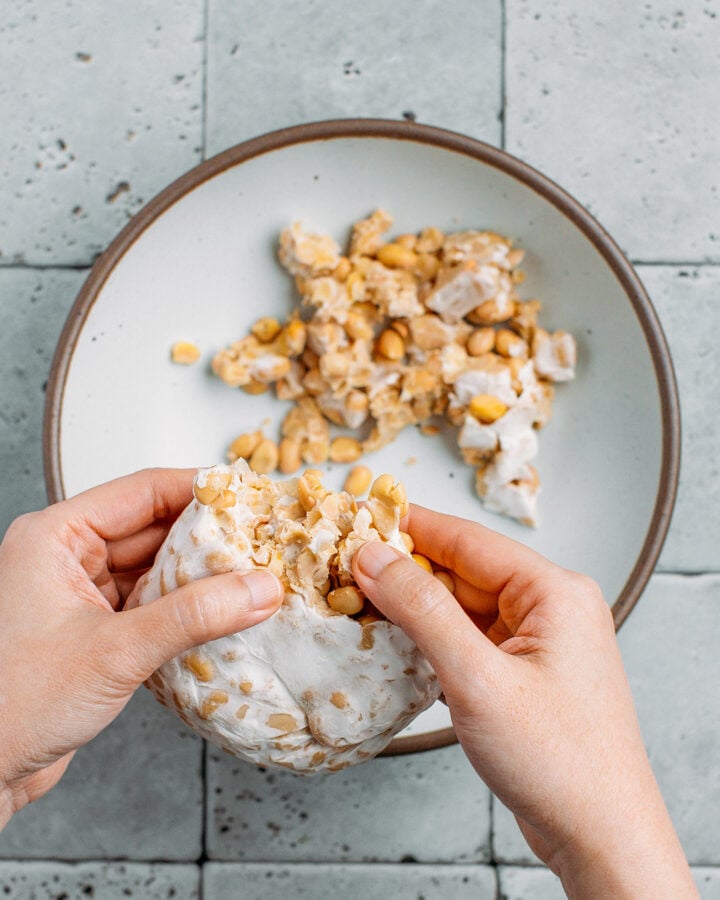
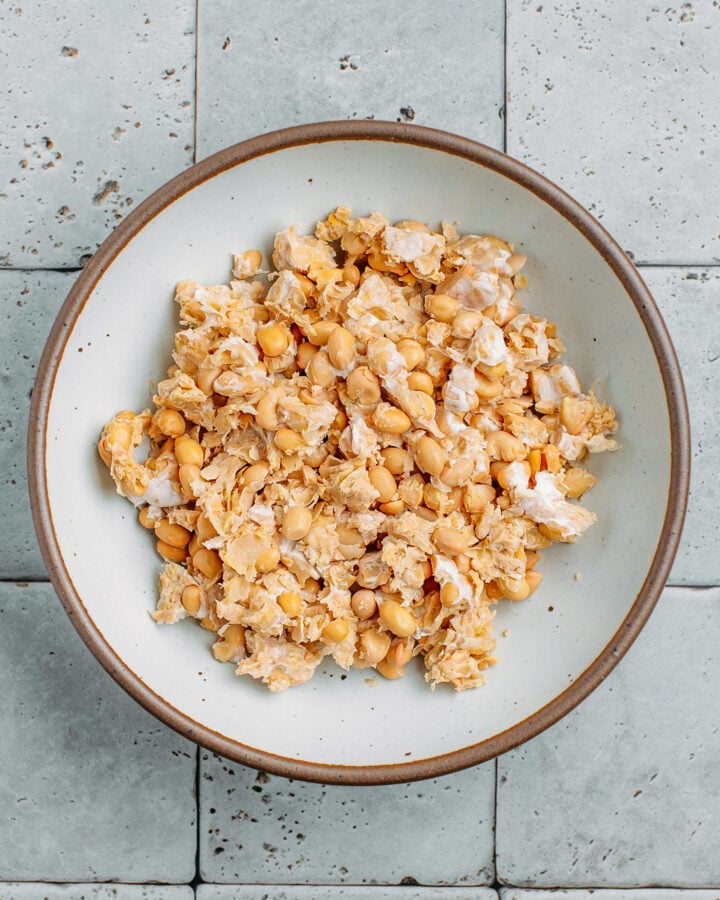
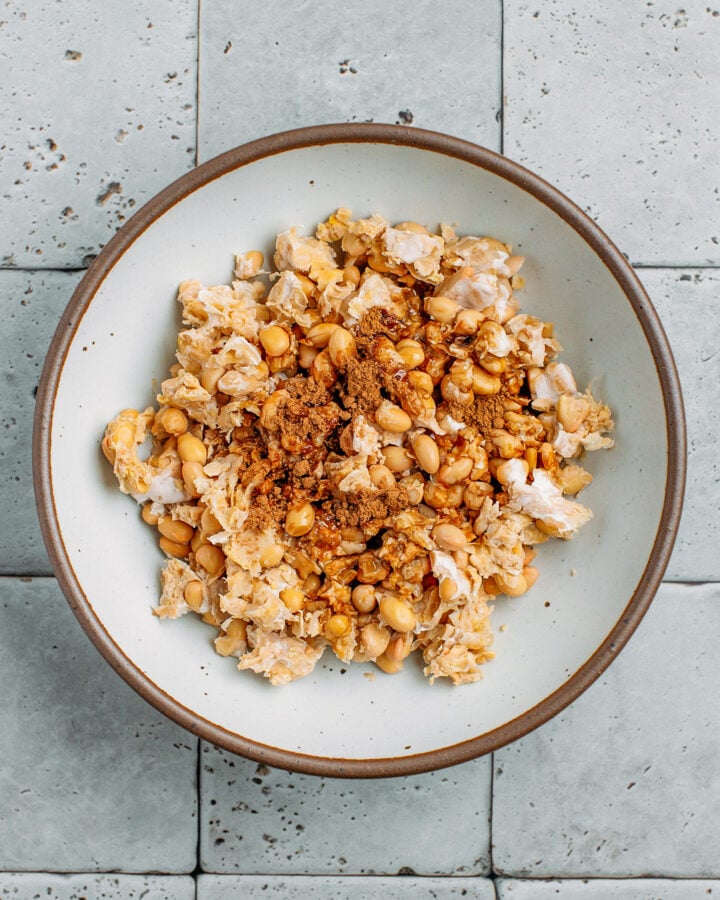
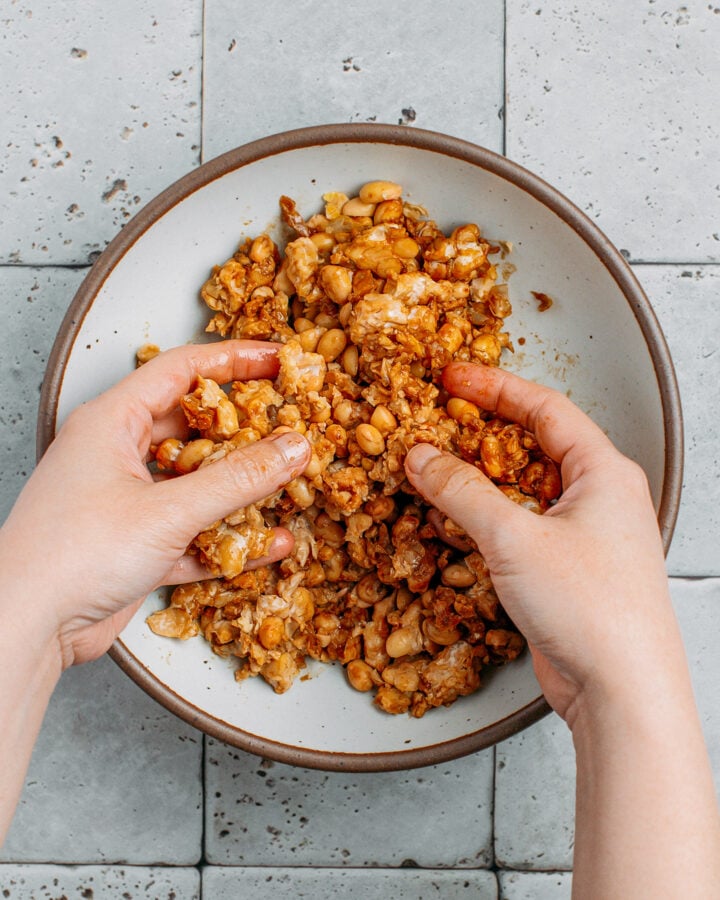
3. Assemble the bowls


Customize to Your Taste
Experiment with additional aromatics
This recipe is a strong starting point, but the chili oil welcomes experimentation. Toasted sesame seeds, shallots, cinnamon bark, or fresh ginger all add an extra layer of depth if you want to make it your own.
Control the heat level
This dish packs real heat as written. If spice isn’t your thing, cut back on the red pepper flakes or leave them out entirely for a milder, more approachable bowl.
What to Serve Alongside
- Leafy greens and crisp vegetables: blanched pak choy, broccoli, green beans, or water spinach add a refreshing contrast to the rich, spicy sauce. Cook just until tender-crisp so they keep their bite.
- Fresh spinach: no cooking required. Add a handful of raw spinach to each bowl before the noodles go in, and the residual heat wilts it perfectly.
- Fresh herbs: a scattering of Thai basil, perilla leaves, or garlic chives adds a fragrant, peppery finish that lifts the whole bowl.
Storage and Reheating
Leftovers keep in an airtight container in the fridge for up to three days. Reheat gently in a skillet over medium heat with a splash of vegetable broth or water to revive the sauce. Noodles tend to soak up liquid over time, so a fresh drizzle of chili oil or a spoonful of sesame paste helps bring back that luscious texture.
Frequently Asked Questions
Is there a substitute for Sichuan peppercorns?
Not really. Their citrusy, numbing quality is central to the dish’s character, and nothing else quite replicates that effect.
Can I prep components in advance?
Yes. The tempeh can marinate for up to three days, and the chili oil keeps in the fridge for about two weeks. That said, cooking the noodles and sautéing the tempeh fresh right before serving gives the best texture.
Is this recipe high in protein?
Yes. Thanks to the tempeh, each generous serving delivers over 15 grams of plant-based protein.
Vegan Dan Dan Noodles with Tempeh Crumbles
Ingredients
For the chili oil
- 120 ml (½ cup) neutral vegetable oil
- 2 tbsp Sichuan peppercorns
- 60 g (½ cup) red pepper flakes
- 1 whole star anise
- 2 cloves garlic, lightly smashed
For the sauce
- 60 ml (¼ cup) sesame paste (or tahini)
- 3 tbsp regular soy sauce
- 2 tbsp dark soy sauce
- 1 tbsp granulated sugar
- 1 tsp ground Sichuan pepper
- 60 ml (¼ cup) reserved chili oil (from above)
- 120 ml (½ cup) reserved noodle cooking water (or vegetable broth)
For the tempeh crumble
- 225 g (8 oz) tempeh, broken into crumbles
- 2 tbsp soy sauce
- 1 tsp Chinese five-spice powder
- 1 tbsp vegetable oil
- 2 cloves garlic, finely minced
For serving
- 340 g (12 oz) fresh or dried wheat noodles (ramen, udon, or similar)
- 60 g (¼ cup) roasted peanuts, roughly crushed
- 4 scallions, thinly sliced on the bias
- Blanched greens of your choice (optional)
Instructions
- Prepare the chili oil: warm the vegetable oil in a small saucepan over medium heat until hot but not smoking. Add the Sichuan peppercorns, star anise, and smashed garlic. Cook 2 to 3 minutes until highly fragrant. Remove from heat, strain through a fine-mesh sieve into a heatproof bowl, and discard the solids. Stir the red pepper flakes into the hot oil and let steep 30 to 45 minutes.
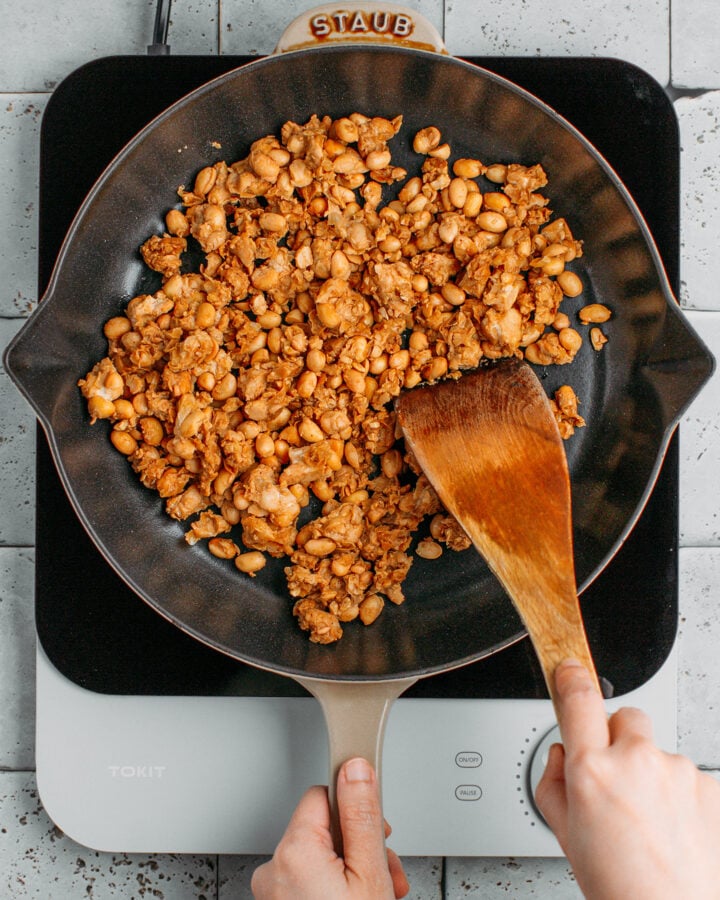
- Cook the tempeh: in a medium bowl, toss the crumbled tempeh with soy sauce and five-spice powder until coated. Heat the vegetable oil in a large skillet over medium heat, add the minced garlic, and cook 1 minute until fragrant. Add the marinated tempeh and sauté, stirring occasionally, 8 to 10 minutes until golden and crisp. Remove from heat and set aside.
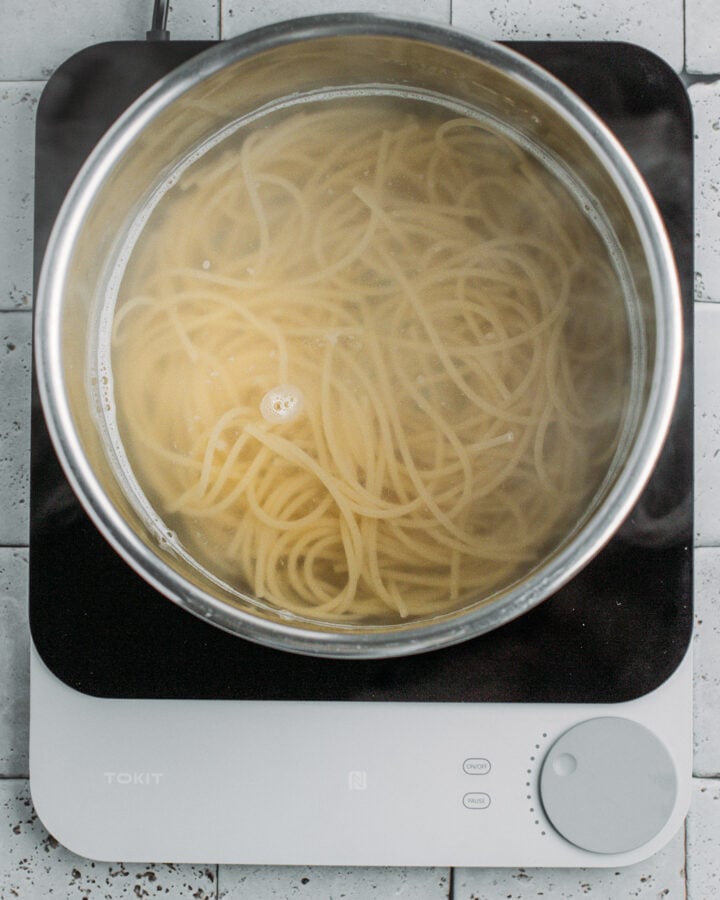
- Boil the noodles: cook according to package directions. Just before draining, reserve about 1 cup of the starchy cooking water. Drain and set the noodles aside.
- Whisk the sauce: in a large bowl, combine the sesame paste, regular soy sauce, dark soy sauce, sugar, ground Sichuan pepper, and ¼ cup of the freshly made chili oil. Gradually whisk in ½ cup of the reserved noodle water until smooth and pourable.
- Assemble and serve: add the cooked noodles to the sauce and toss thoroughly to coat every strand. Divide among four bowls. Top each with crispy tempeh crumble, crushed peanuts, sliced scallions, and any optional blanched greens. Serve immediately while hot.
Notes
- Dial down the heat: reduce or omit the red pepper flakes in the chili oil for a milder dish.
- Gluten-free option: swap the soy sauce for tamari and use certified gluten-free noodles.
- Leftovers: store in a sealed container in the fridge for up to 3 days. Reheat gently with a splash of water or broth to loosen the sauce.