
This curried cauliflower tempura comes out crisp on the outside, tender in the middle, and pairs with the creamiest ginger sauce you will make all year. The contrast between the crunchy cauliflower and the fresh, zesty sauce is what makes this dish worth the deep fryer. Serve it as an appetizer or alongside your favorite grain.

New to tempura? This recipe makes a great starting point.
The idea for this dish came from a mixed tempura plate at a Japanese restaurant, featuring mushrooms, cauliflower, lotus root, and a few other vegetables. The cauliflower stood out enough to inspire a version worth building a whole recipe around.
The twist here is a curry-spiced batter paired with a rich ginger sauce. It strays from traditional tempura, but the flavor makes the case for itself. Even a confirmed cauliflower skeptic in the house ended up enjoying it.
Why You’ll Love This Recipe
Deeply seasoned. Cauliflower is not the most exciting vegetable on its own, but tossed in a curry-infused batter and fried until crisp, it becomes the centerpiece of the plate. Curry powder brings out the vegetable’s subtle flavor without overwhelming it, and the ginger sauce layers in even more depth. Curry and ginger are a pairing that always works.
A real contrast of textures. The sauce brings freshness, a touch of citrus, and a gentle tang, with a velvety, creamy texture that plays beautifully against the crisp tempura coating. Pour it onto the plate and set the cauliflower on top, or use it as a dip. Dipping is probably the better move since it lets you load up each bite with plenty of sauce.
What Is Tempura, Exactly?
Tempura is a Japanese frying technique dating back to around the 16th century. Vegetables or seafood get dipped in a cold batter made from ice water, flour, baking soda, and sometimes spices, mixed just enough to avoid overdeveloping the gluten. The sharp contrast between cold batter and hot oil is what produces that signature light, crisp coating.
Ingredient Notes
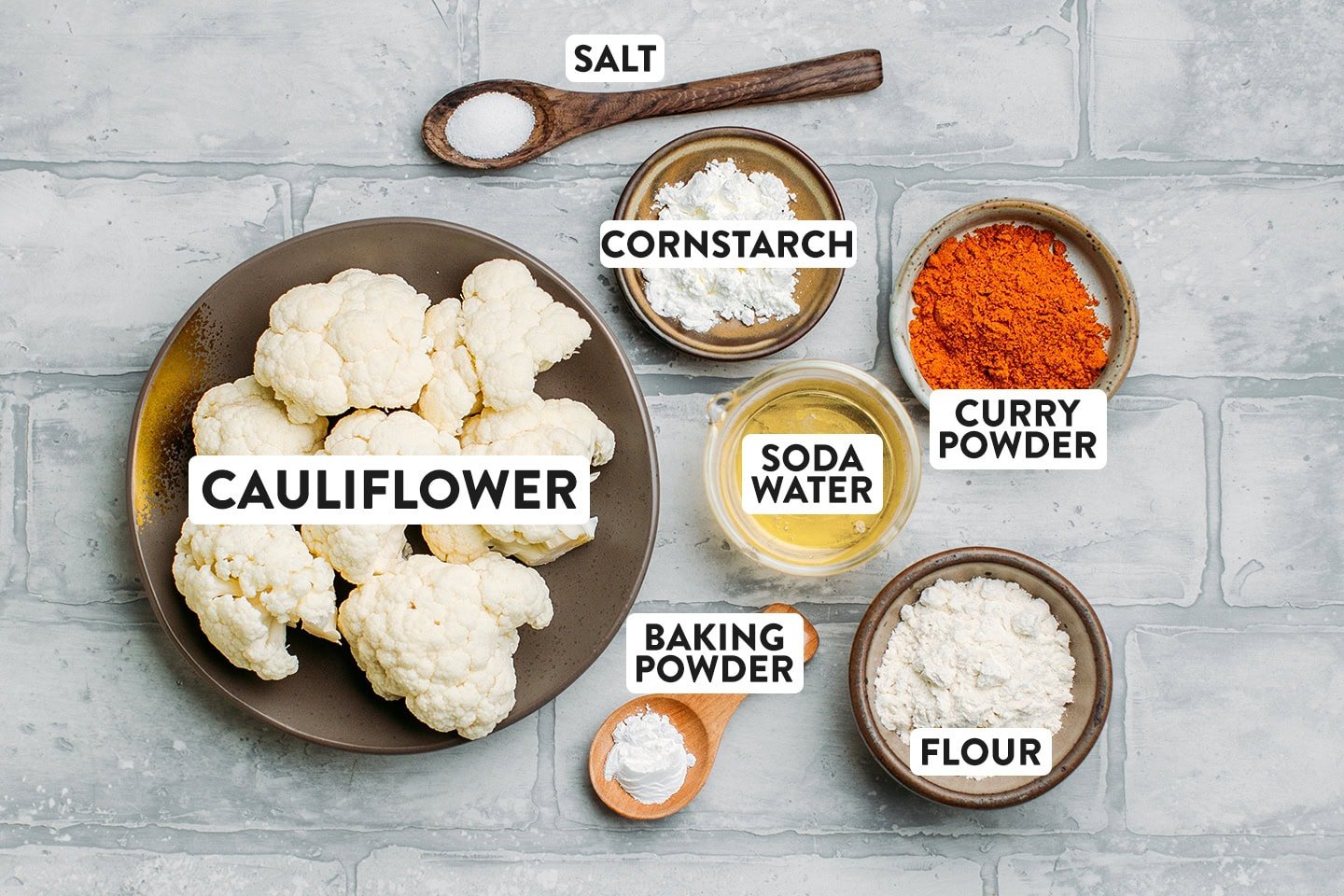
Cauliflower: choose a head with firm, white florets. Skip any heads showing brown or dark spots, or a yellowish tint.
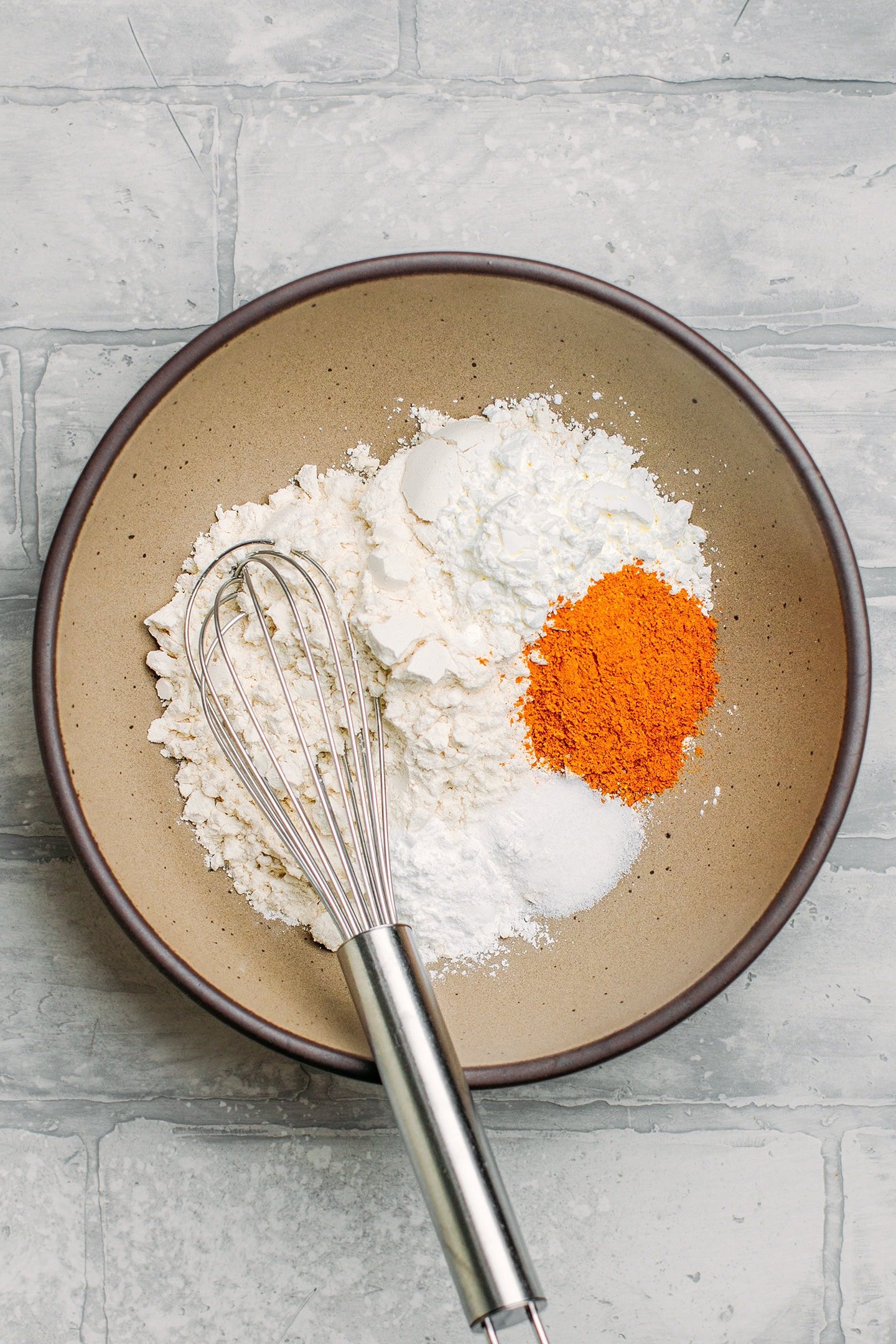
Flour and cornstarch: this combination builds the tempura batter. Cornstarch lowers the overall protein content of the mix, giving a lighter, crispier finish. Swap both for an equal amount of cake flour if you prefer.
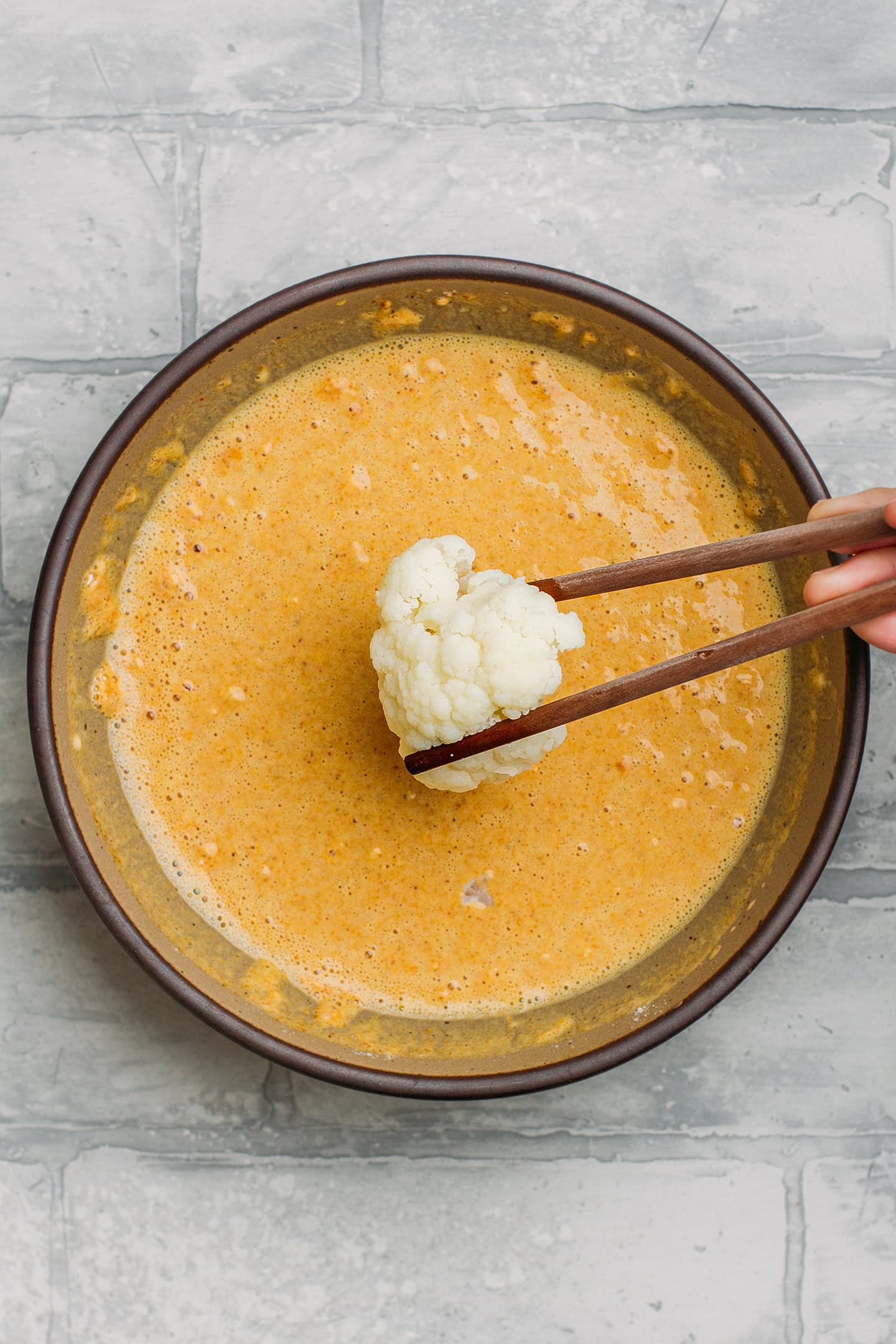
Curry powder: adds another layer of flavor along with a bright orange color in the batter. Any curry powder you like works fine here.
Soda water: chilled soda water (or sparkling water) adds extra bubbles to the batter for a lighter, crispier result. Make sure it is cold, not room temperature. Cold beer works as a substitute too.
The Ginger Sauce
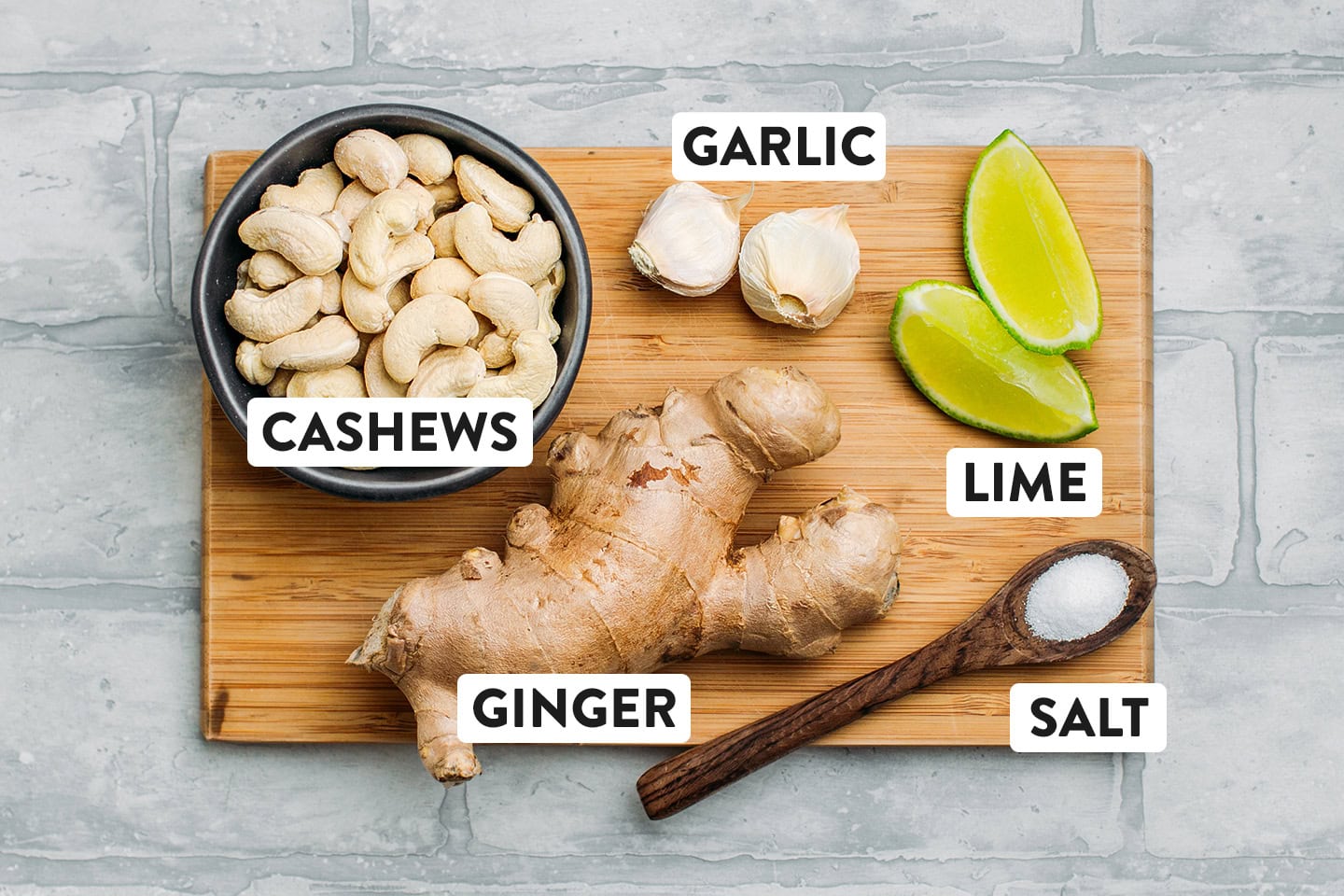
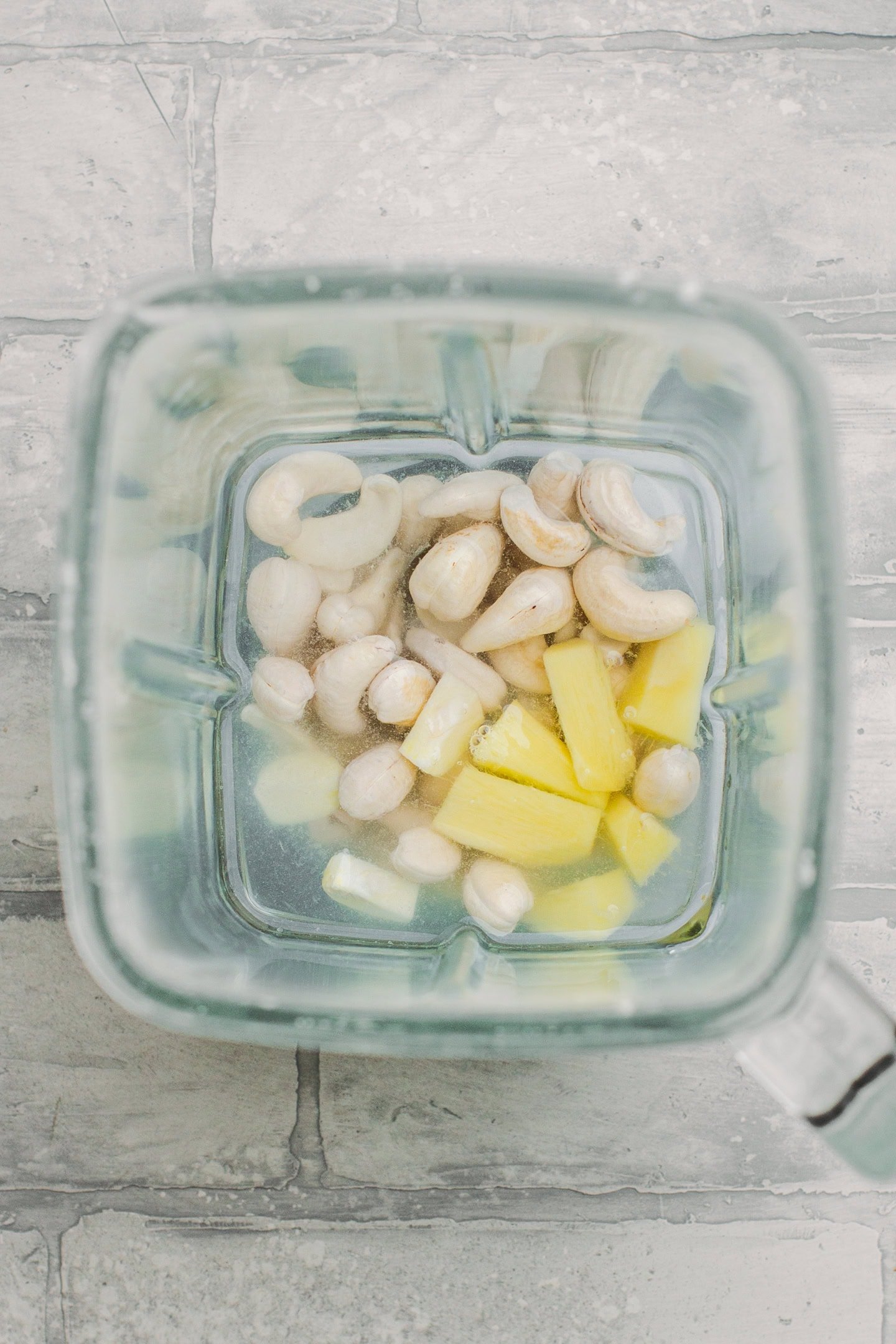
Raw cashews: soaked overnight and blended with water and seasonings, cashews form the creamy base of this sauce. Short on time? Cover them in boiling water and let them sit for about an hour instead. For a nut-free version, swap the cashews and water for about 1 cup of plant-based cream.
Fresh ginger: brings the spicy, zesty kick. How much you need depends on how fresh your ginger is. Older, wrinkly ginger tends to be spicier and more fibrous, while fresh ginger is milder. Start with about a 1-inch piece and add more to taste. Ground ginger will not give you the same flavor, so stick with fresh.
Lime juice: brightens the whole sauce with a tangy edge that pairs well with the ginger.
Garlic: adds a subtle garlicky background note.
How to Make It
Order matters here. Make the sauce before you start frying, since the cauliflower needs to be served within two to three minutes of coming out of the oil, not ten. Cauliflower holds a lot of moisture and softens the crispy coating quickly once it is fried.
Make the Sauce First
Taste as you go and adjust the salt to your liking, adding more ginger and reblending if you want a stronger kick. A quarter teaspoon of sugar or maple syrup helps balance the spiciness of the ginger nicely.
For an ultra-smooth texture, pass the sauce through a fine-mesh sieve to strain out any ginger fibers. This step is optional, especially if your ginger is very fresh. Older, more fibrous ginger benefits from straining more.
Boil the Cauliflower
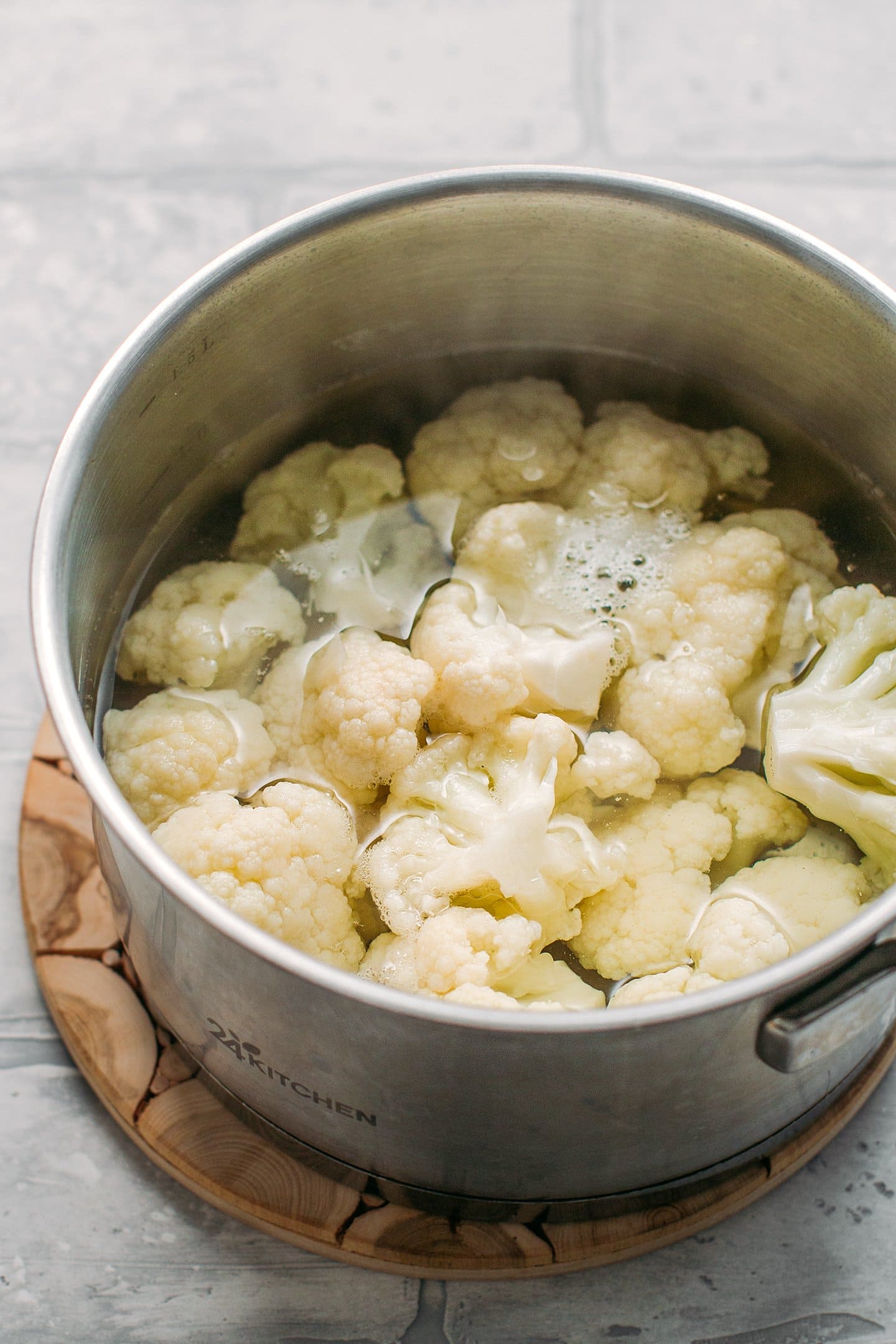
Since deep-frying only takes a minute or two, that is not enough time to actually cook the cauliflower through. Boiling it beforehand solves that.
Prepare the Batter and Fry
Tips for Getting It Right
Do not overmix the batter. Overmixing develops the gluten and weighs the batter down. Stop as soon as it is combined, even if it looks a little lumpy.
Adjust the coating thickness. This recipe gives a fairly thin, runny batter. For a thicker coating, add a bit more flour or cut back slightly on the soda water.
Use plenty of oil. A deeper pot of oil holds a more stable temperature and keeps the florets floating instead of sinking and sticking to the bottom.
Serve right away. Tempura loses its crispiness within minutes of frying, so have the sauce ready ahead of time and fry the cauliflower only once everyone is ready to eat.
Variations to Try
Swap in different spices or aromatics to change up the batter. Ground chili or red pepper flakes add heat, while dried herbs bring an herby note instead.
What to Serve It With
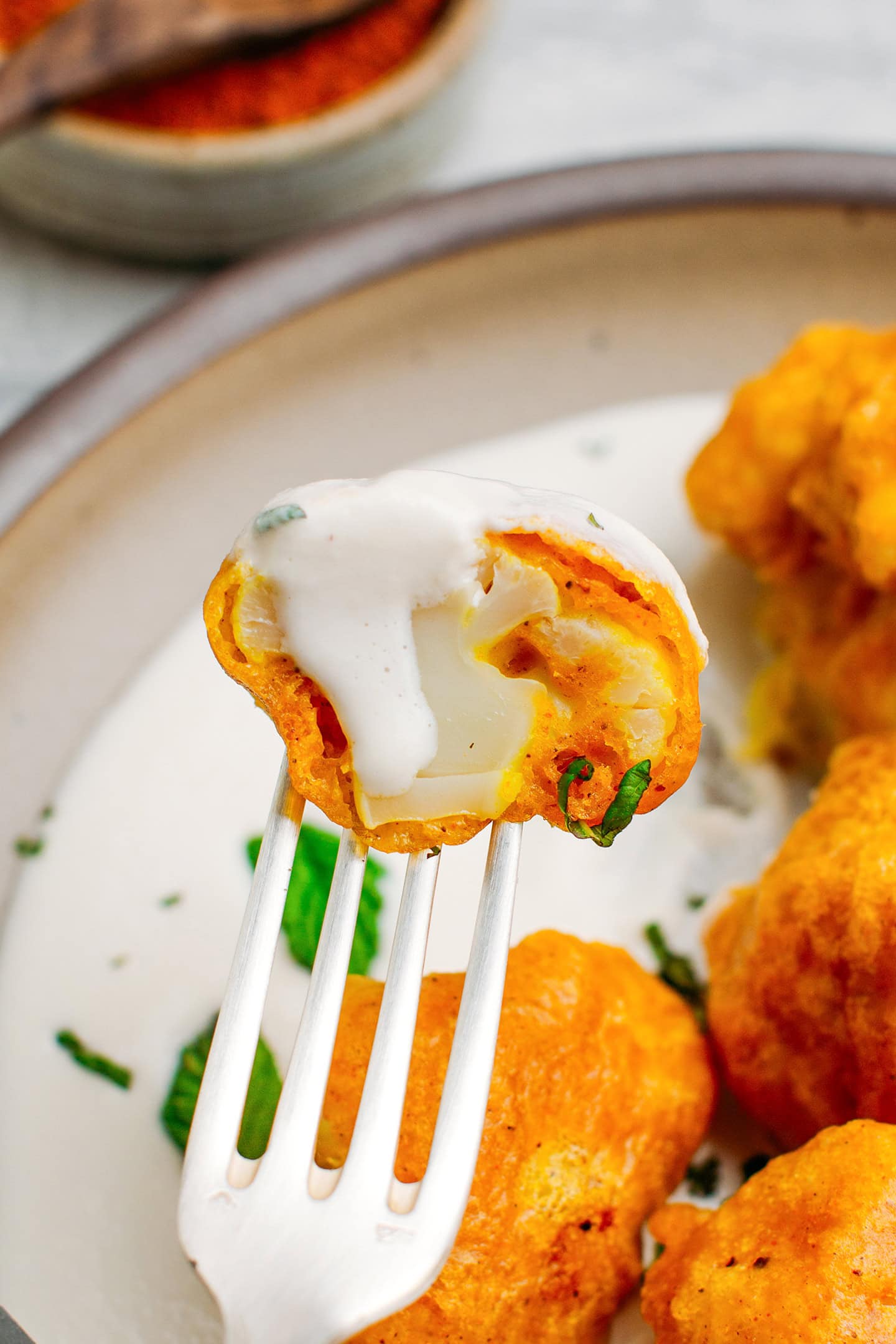
Serve this on its own as an appetizer, or turn it into a more substantial meal alongside rice, noodles, or a simple green salad.
FAQ
Can I use frozen cauliflower? Yes, though you may need to shorten the boiling time since most frozen cauliflower comes pre-cooked.
Can I bake this instead of deep-frying? Unfortunately not. Deep-frying is essential to getting the right texture here.
Will the batter color change with different curry powders? Yes, the exact shade of your batter depends on which curry powder you use.
This cauliflower tempura turns out tender inside and crisp outside every time, with a subtle curry flavor that plays perfectly against the garlicky, gingery sauce.