How to Use Avocado Oil for Acne: 5 Natural Methods
Avocado oil’s nutrient profile has made it a popular natural option for people looking to calm breakouts and support their skin without harsh chemicals.
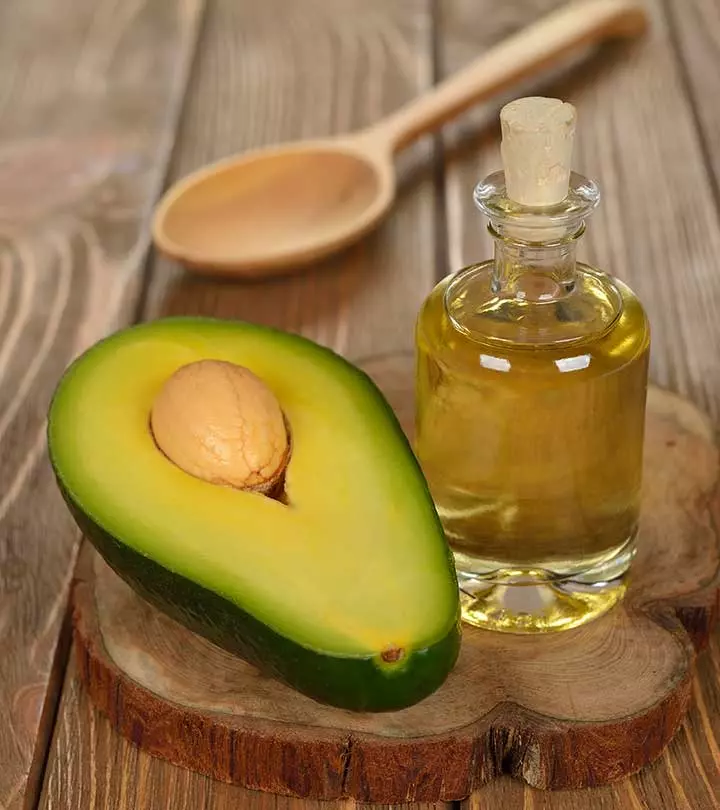
Acne is frustrating at any age, and it can feel like a never-ending search for something that actually helps. If over-the-counter treatments haven’t worked well for you, a gentler, natural approach might be worth trying. Avocado oil, with its skin-supportive nutrients, has become a popular option for people looking for something less harsh.
Acne is rarely a serious medical issue on its own, but its effect on confidence and daily life is real. Whether you’re dealing with the occasional breakout or something more persistent, the right approach makes a genuine difference.
Is Avocado Oil Good for Acne?
Putting oil on acne-prone skin sounds counterintuitive, but avocado oil behaves differently from heavier, pore-clogging oils. It’s lightweight and contains compounds that many people find genuinely supportive for clearer-looking skin.
A lot of conventional acne treatments rely on harsh ingredients that can strip the skin’s natural barrier, sometimes leading to irritation, dryness, or even more breakouts. Avocado oil tends to work with the skin instead. It contains vitamins A, D, and E, essential fatty acids, and antioxidants that may help soothe inflammation and support the skin’s healing process.
Cold-pressed, organic avocado oil is the better choice here for the cleanest results. Below are five ways to bring it into a skincare routine.
1. Direct Application with a Cotton Swab
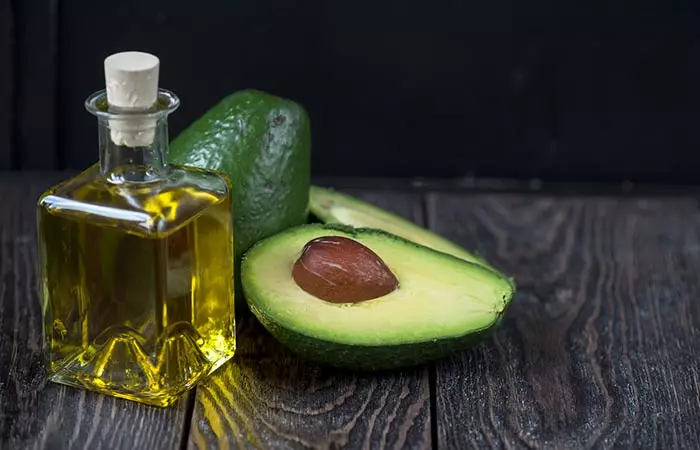
How to do it: using a clean cotton swab, dab a small amount of cold-pressed avocado oil directly onto each blemish, avoiding the surrounding skin. Leave it on overnight and rinse with warm water in the morning.
Why it may help: avocado oil’s anti-inflammatory properties may help reduce redness and swelling, while its antioxidants support the skin’s natural repair process. Consistent use over time may also help fade post-acne marks.
Frequency: nightly, until breakouts begin to calm down.
2. Avocado Oil and Turmeric Face Mask
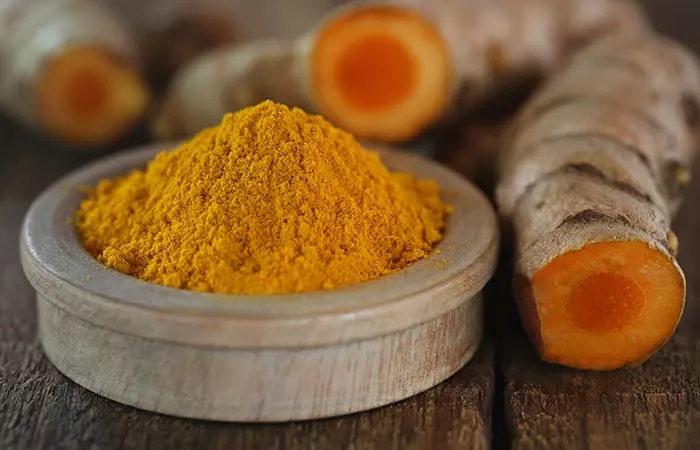
How to do it: combine 1 tablespoon of avocado oil with ½ teaspoon of turmeric powder into a smooth paste. Apply to clean, dry skin, focusing on breakout-prone areas. Leave on for 10 to 15 minutes, then rinse with lukewarm water.
Why it may help: turmeric is well known for its antimicrobial and anti-inflammatory reputation. Paired with avocado oil, it may help calm irritated skin and support a more even tone over time.
Frequency: once daily until skin improves.
3. Avocado Oil and Lavender Oil Blend

How to do it: mix 1 tablespoon of avocado oil with 2 to 3 drops of lavender essential oil. Apply to affected areas with a cotton ball or your fingertips. Tea tree or juniper oil work as substitutes for lavender.
Why it may help: essential oils like lavender, tea tree, and juniper carry antibacterial and antiseptic properties that may help address breakout-causing bacteria, while avocado oil helps deliver them gently without excess irritation.
Frequency: 2 to 3 times daily as needed.
4. Steam and Massage
How to do it: cleanse your face with a gentle cleanser. Fill a bowl with hot water, drape a towel over your head, and let the steam open your pores for 5 to 10 minutes. Pat dry, warm a small amount of avocado oil between your palms, and massage it into your skin in circular motions for 3 to 5 minutes.
Why it may help: steam helps soften and open pores, which may allow the oil to penetrate more effectively and reach where its nutrients are most useful.
Frequency: every 2 to 3 days.
5. Avocado Oil and Castor Oil Blend

How to do it: combine equal parts avocado oil and castor oil, about 1 tablespoon each. Massage into skin with gentle, upward strokes. Leave on for 20 to 30 minutes, or overnight for deeper conditioning, then rinse with warm water.
Why it may help: castor oil is known for helping draw out impurities and excess oil from clogged pores, while avocado oil nourishes and soothes alongside it.
Frequency: daily until you notice improvement.
Precautions and Patch Test
Avocado oil is generally well tolerated, but a little caution goes a long way, especially with sensitive skin or a history of reacting to plant oils.
- Patch test first: apply a small amount to your inner forearm and wait 24 hours to check for redness, itching, or irritation before using it on your face.
- Choose quality oil: cold-pressed, organic avocado oil is the safer choice. Refined or processed versions may contain additives that can clog pores or irritate skin.
- Listen to your skin: stop use immediately if you notice any adverse reaction, and check in with a dermatologist if it persists.
- Don’t overdo it: more isn’t better here. Too much oil can leave skin feeling greasy, so start small and adjust based on how your skin responds.
Frequently Asked Questions
Can avocado oil clog pores?
Avocado oil has a low comedogenic rating, so it’s unlikely to clog pores for most people. That said, everyone’s skin reacts differently. If your skin runs very oily, start with a small amount and watch how it responds.
How long does it take to see results?
This varies by skin type and how severe the breakouts are. Some people notice a difference within a week, while others need several weeks of consistent use. Patience matters more than intensity here.
Can I use avocado oil on active cystic acne?
It may help reduce inflammation, but cystic acne is genuinely better managed with a dermatologist’s guidance. Avocado oil can offer some relief, but it shouldn’t replace professional care for severe or persistent breakouts.
Is avocado oil suitable for all skin types?
Generally, yes, including dry, oily, and combination skin. Its non-comedogenic reputation makes it a fairly versatile addition to most routines.
Can avocado oil help with acne scars?
The vitamin E and antioxidants in avocado oil may help support skin regeneration and a more even tone over time, which is why some people find it useful for fading the appearance of old marks.